Healthy Ghanaian Food: Healthier Takes on Banku, Jollof & Waakye
Craving classic Ghanaian dishes but watching your health? Learn how to prepare banku, jollof, and waakye using healthier ingredients without sacrificing authentic local flavor.
Healthy Ghanaian Food: Healthier Takes on Banku, Jollof & Waakye
Let's settle something right away: eating healthy does not mean abandoning your culture at the door. If you've ever been told to swap your banku for a quinoa bowl or trade your waakye for a sad green salad, you've been given bad advice — and probably by someone who has never experienced the soul-deep satisfaction of a perfectly fermented corn dumpling dipped into a rich, fragrant okra stew. Ghanaian food is already, in many ways, one of the most nutritionally complete cuisines on earth. The real question isn't whether to eat it — it's how to prepare and enjoy it more mindfully so it loves your body back as fiercely as it feeds your spirit.
This is your definitive guide to healthy Ghanaian food: how to reimagine beloved classics like banku, jollof rice, and waakye without losing a single note of the flavor that makes them iconic. Whether you're managing your weight, watching your blood pressure, cooking for a diabetic family member, or simply trying to eat more intentionally, this guide is for you. Welcome to the intersection of tradition and wellness.
Understanding What Makes Ghanaian Food So Nutritious (and Where to Be Mindful)
Before we get into the kitchen, let's acknowledge what Ghanaian cuisine already gets right. The traditional Ghanaian diet is deeply plant-forward in its foundations. Vegetables like garden eggs, kontomire (cocoyam leaves), fresh tomatoes, onions, and okra feature prominently. Legumes such as black-eyed peas and cowpeas provide substantial protein and fiber. Fermentation — used in banku, kenkey, and fermented palm wine — introduces beneficial probiotics that support gut health. Fish, particularly tilapia, herrings (koobi and momone), and freshwater varieties, provides lean protein and omega-3 fatty acids.
However, modern Ghanaian eating habits have evolved in ways that don't always serve our health goals. Generous amounts of palm oil, heavy salting, deep frying, and large portion sizes of starchy staples have crept into everyday cooking. Refined cooking techniques have, in some cases, stripped away nutrients that traditional slow cooking preserved. The good news? These are all adjustable variables. The soul of the dish remains entirely intact when you approach it with knowledge and intention.
The Key Nutrients Already Working in Your Favor
- Fermented corn and cassava in banku and kenkey support digestive health through natural probiotic activity.
- Okra is rich in soluble fiber, vitamin C, and folate — making okra stew a nutritional powerhouse.
- Kontomire (cocoyam leaves) is packed with iron, calcium, and antioxidants.
- Beans in waakye provide complex carbohydrates, plant-based protein, and slow-releasing energy.
- Tomatoes, onions, and peppers in jollof deliver lycopene, quercetin, and capsaicin — all potent anti-inflammatory compounds.
- Fresh fish consumed with most Ghanaian dishes adds lean protein and heart-healthy fats.
Banku: The Fermented Classic Worth Keeping
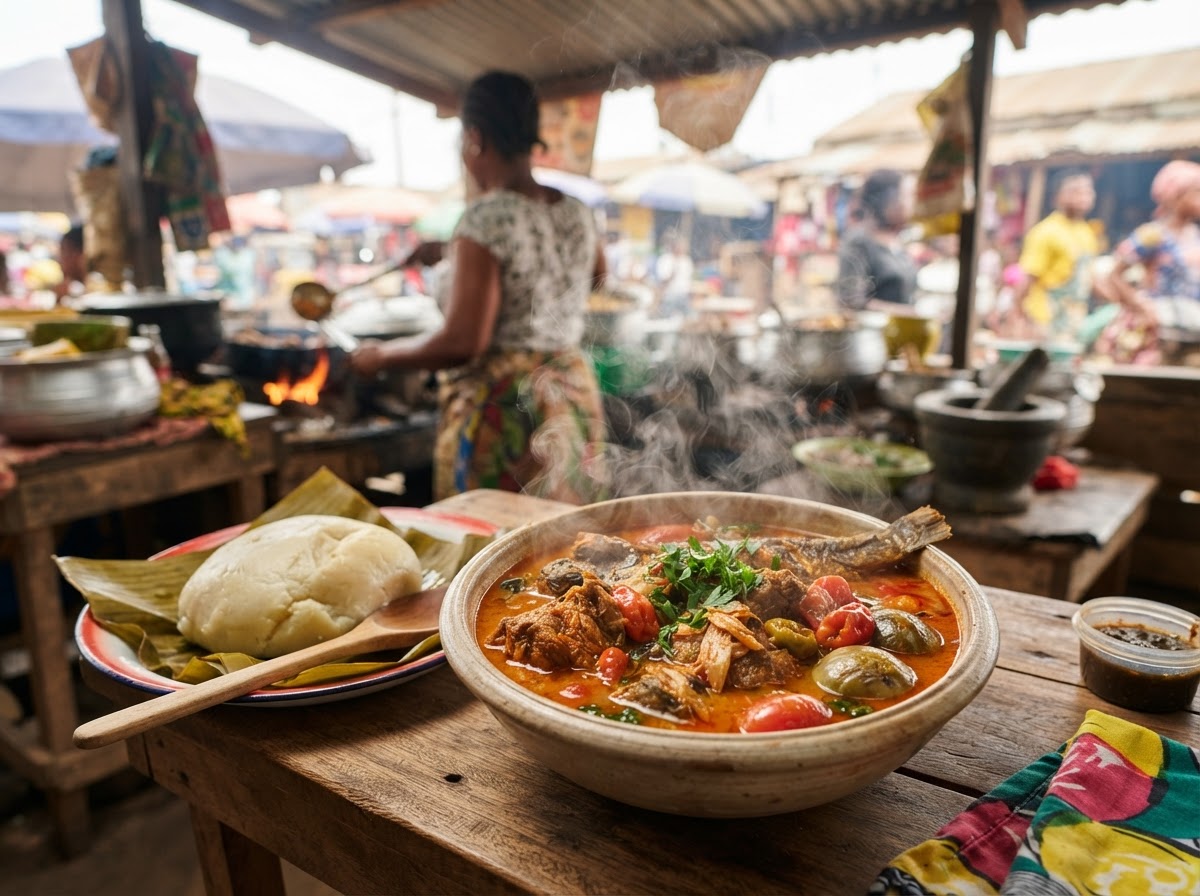
Banku is arguably Ghana's most beloved staple — a smooth, tangy dumpling made from fermented corn and cassava dough that is cooked and kneaded to a silky finish. Its naturally fermented base is something food scientists are only now catching up to appreciate, and yet Ghanaian grandmothers have understood this for centuries. The fermentation process increases the bioavailability of nutrients and reduces antinutrients that can interfere with mineral absorption.
So what's the healthier approach? It starts with portion awareness and pairing. A ball of banku the size of a closed fist is a reasonable, satisfying portion. The challenge arises when we pair large portions with high-sodium stews or deep-fried accompaniments.
Healthier Ways to Enjoy Banku
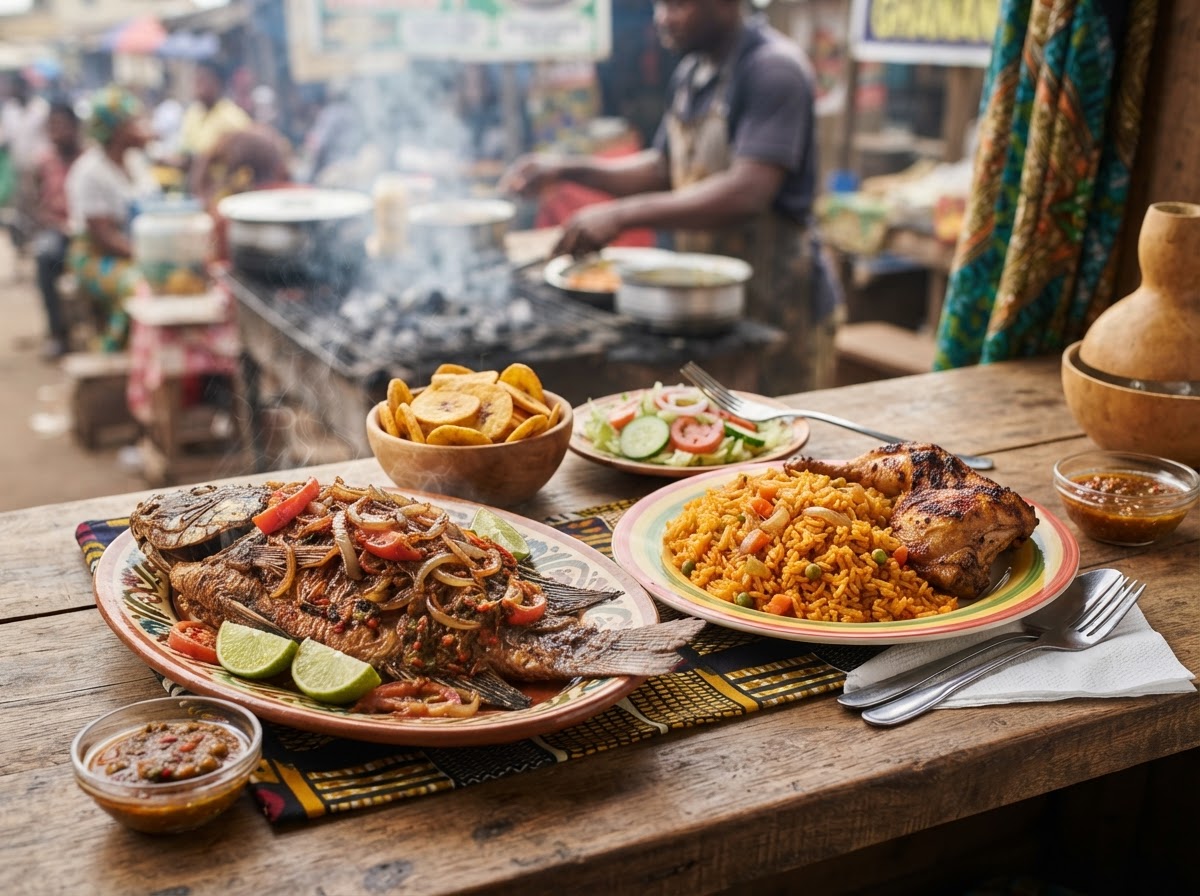
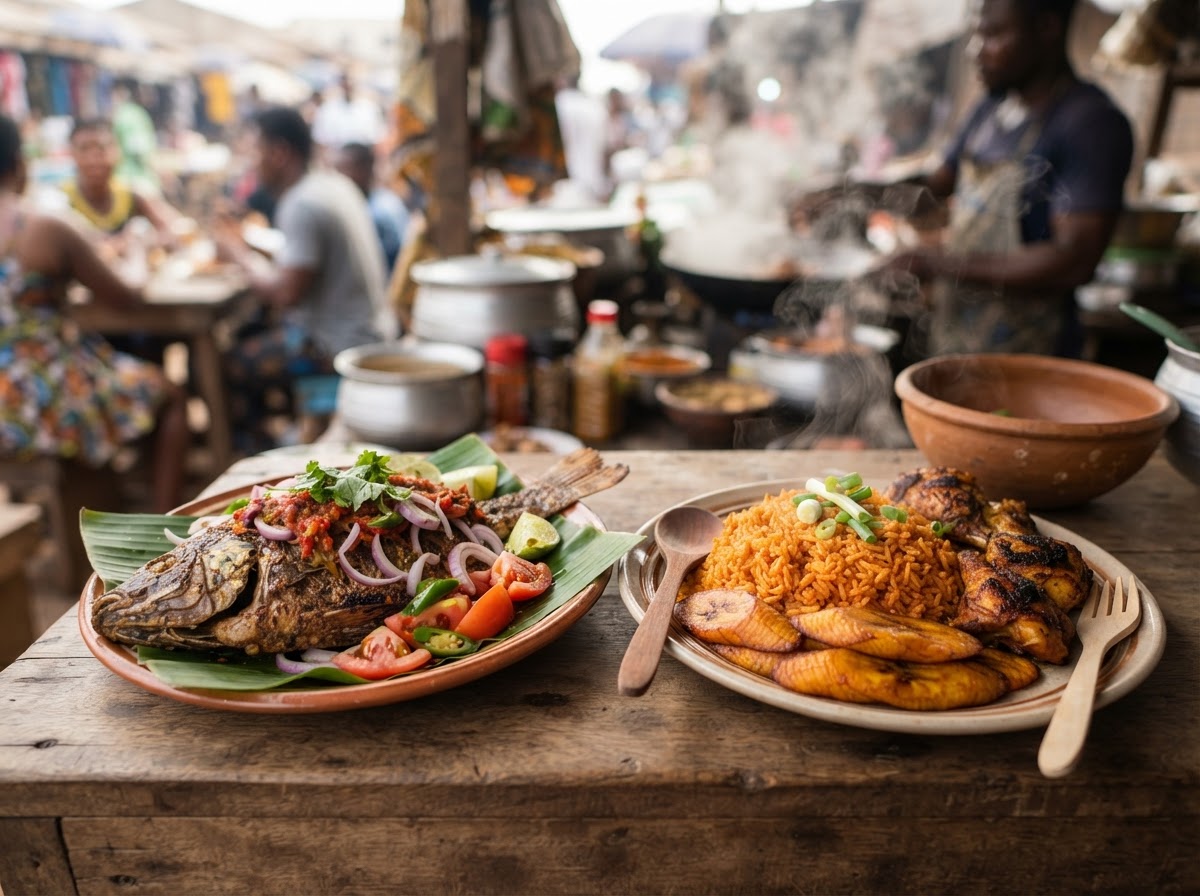
- Pair with grilled tilapia instead of fried: Grilling your fish over charcoal or in the oven preserves the protein without adding excess saturated fat. The smoky flavor from grilling is arguably more complex and enjoyable than frying anyway.
- Choose okra stew over heavy groundnut soup for everyday meals: Okra stew, made with fresh tomatoes and minimal oil, is lighter on calories while being extraordinarily rich in fiber and micronutrients.
- Reduce palm oil gradually: Palm oil is a traditional staple with genuine nutritional value — it contains beta-carotene and vitamin E. The goal isn't elimination but moderation. Try reducing quantities by a third and supplementing flavor with more aromatics like garlic, ginger, and fresh tomatoes.
- Watch the koobi (salted tilapia) and momone: These add incredible depth of flavor but are high in sodium. Use smaller quantities as flavor agents rather than the primary protein source.
- Experiment with mixed-grain banku: Some health-conscious cooks are beginning to incorporate small amounts of sorghum or millet flour into their banku dough, increasing the fiber and nutrient profile while keeping the texture familiar.
"The fermentation in banku is a form of ancestral wisdom. Our great-grandmothers were doing functional food before it became a trend. We just need to honour it by pairing it better."
Jollof Rice: Africa's Favourite Dish, Made Smarter
The debates around jollof rice — Ghanaian versus Nigerian, smoky versus saucy, party versus home — could fill a library. But let's put the rivalry aside and focus on something we can all agree on: jollof is extraordinary, and it absolutely has a place in a healthy Ghanaian food lifestyle.
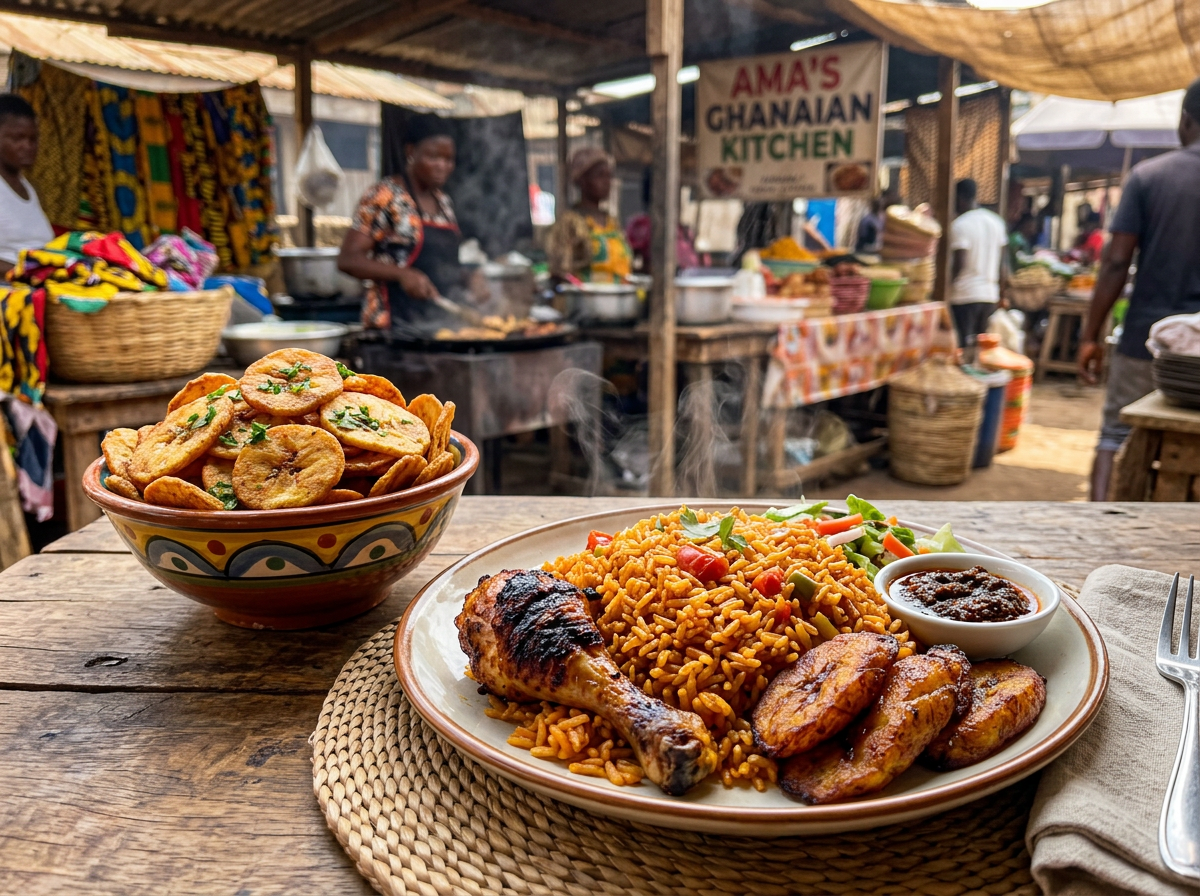
Traditional jollof is made with long-grain rice cooked in a base of blended tomatoes, onions, peppers, and tomato paste, seasoned with a combination of spices and often enriched with chicken stock. The tomato base is genuinely nutritious. The issue, from a health perspective, typically comes from refined white rice in large quantities, significant cooking oil, and sodium-heavy stock cubes used in abundance.
Healthier Jollof Swaps That Still Deliver
- Brown rice or parboiled rice jollof: Switching to parboiled or brown rice increases fiber content significantly, slows glucose release, and keeps you fuller longer. Yes, it cooks differently — but a little extra patience in the kitchen delivers outsized health benefits. The smoky tomato base still shines through.
- Cauliflower jollof for low-carb days: Before you close this tab — hear us out. Blended cauliflower rice, cooked in the same jollof tomato base with all the traditional spices, is a genuinely delicious alternative on days when you want a lighter option. You keep every gram of flavor, every punch of pepper, and all the festive color.
- Reduce cooking oil by building more tomato volume: A richer, deeper tomato base means you don't need as much oil to achieve that coveted depth of flavor. Roasting your tomatoes and peppers before blending intensifies sweetness and complexity.
- Cut back on Maggi and season with whole spices: Stock cubes are convenient but are salt-delivery systems more than anything else. Try building flavor with bay leaves, cloves, cinnamon, fresh ginger, and garlic instead — or use homemade stock.
- Lean protein pairings: Instead of chicken thighs or beef, try grilled chicken breast, baked fish, or even plant-based protein like fried plantain with beans for a complete amino acid profile.
Waakye: The Most Underrated Nutritional Powerhouse in Ghana
Waakye — that gorgeous burgundy-hued combination of rice and black-eyed peas or kidney beans — is quietly one of the most nutritionally complete meals in the Ghanaian repertoire. The combination of rice and legumes creates a complete protein, meaning together they provide all essential amino acids the body needs. This is why waakye has fed generations of Ghanaians effectively, long before protein powders existed.
The beautiful colour, incidentally, comes from dried sorghum leaves or stalks cooked with the rice and beans — a natural, antioxidant-rich colourant. There is nothing artificial about waakye's visual brilliance, and that's worth celebrating.
The health pitfalls of waakye tend to appear in its accompaniments: spaghetti (refined carbohydrates on top of rice — a double starch situation), fried plantain in excess, gari (adding more carbohydrates), oily stew, and the beloved but calorically dense egg sauce.
Building a Healthier Waakye Bowl
- Increase the bean-to-rice ratio: Simple and impactful. More beans means more fiber, more protein, and a lower glycemic load per bowl.
- Skip or reduce the spaghetti: If you love the spaghetti, switch to whole wheat or reduce the portion to a symbolic few strands. The waakye itself is already providing complex carbohydrates.
- Load up on shitor, but make it smarter: Traditional shitor (black pepper sauce) is packed with onions, peppers, and ginger — all anti-inflammatory ingredients. Make your own shitor with less oil and you have a genuinely nutritious condiment.
- Add more vegetables to the accompaniments: A simple salad of tomatoes, cucumbers, and onions alongside your waakye dramatically increases micronutrient intake and adds volume without adding significant calories.
- Choose grilled or boiled protein: Boiled eggs are a great protein option. Grilled chicken, baked mackerel, or even fresh herrings make leaner companions than heavily fried meats.
Beyond the Big Three: Other Ghanaian Dishes Worth Eating Healthily
Banku, jollof, and waakye deserve their spotlight — but Ghanaian cuisine is vast and varied, and many other dishes are extraordinarily compatible with a health-conscious lifestyle with minimal modification.
Kontomire stew (palaver sauce) is a nutritional superstar. Made from cocoyam leaves blended with smoked fish, garden eggs, and onions, it is rich in iron and calcium — essential for women, children, and anyone at risk of anaemia. Serve it with boiled yam or cocoyam instead of white rice for a more nutrient-dense meal.
Light soup is exactly what its name promises — a clean, broth-based soup made with tomatoes, peppers, ginger, and aromatic spices. It's low in calories, hydrating, and profoundly nourishing. It's also an excellent vehicle for lean proteins like chicken, fish, or even mushrooms for plant-based eaters.
Aboboi (palm nut soup) with fufu is rich and hearty, but palm fruit itself contains carotenoids and vitamin E. The issue is portion size and pairing with pounded fufu made entirely from cassava. Consider blending in some cocoyam or plantain into your fufu for added nutrition, and be mindful of portion size with the soup.
Vegetable rice — often overlooked in favor of jollof — is one of the most quietly healthy Ghanaian dishes: rice cooked with seasonal vegetables, a little oil, and protein. When made with brown rice and abundant vegetables, it becomes a genuinely balanced meal.
Editor's Recommendations: Where to Find Healthy Ghanaian Food in Kumasi
Eating healthy doesn't have to mean cooking every meal from scratch. Kumasi's food scene has several outstanding options for those seeking quality, authentic Ghanaian food prepared with care. Here are some top picks from Khora's database of verified restaurants:
For Authentic Ghanaian Staples Done Well
Amelia Waakye Spot in Santasi is the name on everyone's lips when it comes to waakye that tastes like home. This chop bar carries a perfect 5.0 rating and specializes in the kind of genuine Ghanaian cooking that has earned its reputation one bowl at a time. This is the place to get your waakye fix — and given the establishment's chop bar roots, portions and preparations tend toward the traditional and wholesome.
Maa Pat's Food Joint in Patasi is another standout for those craving honest, well-prepared Ghanaian and West African food. With a stellar 5.0 rating and a menu that spans Ghanaian and continental offerings, this is a spot where local flavor meets consistent quality — ideal for a well-rounded, satisfying meal.
For Versatile Menus with Healthy Options
Paradise Kitchen in Ahodwo is one of Kumasi's most beloved all-rounders, earning a perfect 5.0 rating across a menu that spans Ghanaian, vegetarian, seafood, and grill options. If you're looking for grilled fish alongside your Ghanaian staples — or want to explore vegetarian options without sacrificing flavor — Paradise Kitchen delivers beautifully.
Pristine Cuisine in Kejetia/Central rounds out this recommendation with its excellent Ghanaian offerings alongside vegetarian and seafood options, all backed by a 5.0 rating. Its location in the heart of Kumasi makes it accessible for a quality lunch that doesn't compromise on your health goals.
THISXGOOD DELIVERY SERVICES in Ahodwo is particularly noteworthy for health-conscious eaters — it features vegetarian options prominently alongside its Ghanaian offerings, and the convenience of delivery means you can eat well from the comfort of your home or office.
For Grilled Protein and Lighter Mains
Rommo's Food Truck in Asafo and Check Check City Restaurant in Asafo both carry exceptional Grill & BBQ credentials alongside their Ghanaian menus. Grilled meat and fish paired with Ghanaian sides represent some of the cleanest ways to enjoy the cuisine — and these spots do it with flair.
Fyne Kuuk in Ampabame is a hidden gem with a remarkable breadth of Ghanaian and seafood offerings for a street food spot. Don't underestimate street food — when done with fresh ingredients and good technique, it can be just as nourishing as a sit-down restaurant experience.
Practical Tips for Healthier Ghanaian Cooking at Home
If you're preparing these dishes at home, here are the essential principles to keep close to hand as you build your healthy Ghanaian food routine:
- Steam, grill, and bake more — fry less. The Ghanaian charcoal grill is your greatest ally. Use it liberally for fish, chicken, and plantain.
- Use fresh tomatoes as your flavor base. Fresh blended tomatoes cooked down slowly develop incredible sweetness and depth, reducing your dependency on both oil and salt for flavor.
- Make your own spice blends. Whole spices ground fresh — ginger, garlic, cloves, cinnamon, black pepper, prekese — are nutritionally potent and far superior to processed seasoning cubes in both flavor and health impact.
- Embrace fermented foods. Kenkey, banku, and fermented locust beans (dawadawa) are probiotic foods. Don't be in a hurry to replace them with processed alternatives.
- Eat more fish, less red meat. Ghana's coastal and river fish traditions are extraordinary. Tilapia, mackerel, herrings, and freshwater catfish are lean, flavorful, and widely available.
- Portion your starches thoughtfully. Fill half your plate with vegetables and protein before adding your starchy staple. This simple visual adjustment makes an enormous difference over time.
- Drink more water alongside your meals. Traditional Ghanaian meals are often naturally thirst-inducing due to spice and salt levels. Adequate water supports digestion and helps with portion awareness.
"Health is not a foreign concept to our cuisine. It is written into the foundations of every stew, every fermented dough, every pot of light soup. We simply need to return to those foundations with modern awareness."
Bottom Line
Healthy Ghanaian food is not a contradiction in terms — it is, in fact, a return to origins. The traditional Ghanaian diet, before the arrival of excessive processed foods, refined oils, and oversized portions, was a model of nutritional intelligence. Fermented starches, abundant vegetables, fresh fish, legumes, and aromatic spices formed the backbone of meals that sustained generations of hardworking people across this remarkable country.
The path forward for health-conscious Ghanaian eaters is not one of deprivation or cultural erasure. It is one of intentionality. It is choosing to grill your tilapia rather than deep-fry it. It is increasing the beans in your waakye. It is making your jollof with parboiled rice and slightly less oil, knowing that the tomatoes and spices carry the story just as powerfully. It is celebrating banku for the probiotic wonder that it is, while pairing it with nourishing, thoughtfully prepared accompaniments.
Your grandmother's cooking was already close to perfect. You're just bringing a little more awareness to the table. And on Khora, finding the restaurants in Kumasi and across Ghana that understand and honor this philosophy of quality, authentic, and thoughtful Ghanaian cooking has never been easier. Explore, eat well, and never, ever feel guilty for reaching for the banku.
Ready to explore?
Search and discover the restaurants mentioned in this guide on Khora.
Find Restaurants