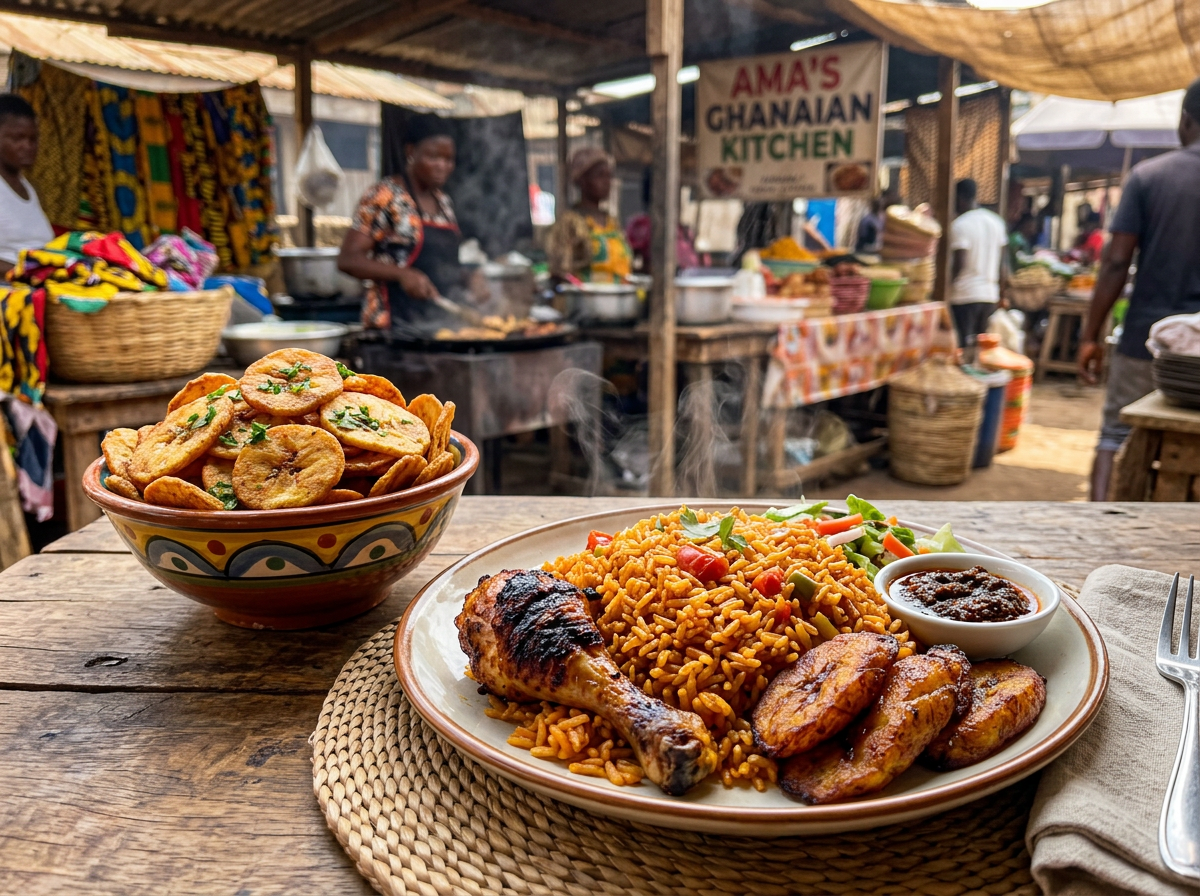
Healthy Ghanaian Food: Nutritious Twists on Local Staples
Eating healthy doesn't mean sacrificing the rich, vibrant flavors of Ghanaian cuisine. Learn how to modify classic dishes like banku and jollof for a more nutritious, health-conscious lifestyle.
Healthy Ghanaian Food: Nutritious Twists on Local Staples
There's a quiet revolution happening in Ghanaian kitchens — and it smells delicious. From Accra apartments to family compounds in Techiman and Wa, a growing number of health-conscious eaters are asking a deceptively simple question: can we enjoy the full, soul-warming depth of Ghanaian cuisine without compromising our wellbeing? The answer, as any good Ghanaian grandmother will tell you, is an emphatic yes — if you know what to look for and how to cook it.
Healthy Ghanaian food isn't a contradiction in terms. In fact, many of our most beloved staples are rooted in centuries of nutritional wisdom. Fermented foods, leafy greens, legumes, whole grains, and ocean-fresh seafood have always been part of the Ghanaian table. The challenge, increasingly, is navigating the shortcuts of modern cooking — excess palm oil, over-salted seasonings, and deep-frying everything in sight — that have crept into our everyday meals. This guide is for those who love banku and tilapia, waakye and shito, jollof and fried plantain, but want to prepare and enjoy them in ways that love them back.
Understanding What Makes Ghanaian Food Nutritious in the First Place
Before we talk about tweaks and substitutions, let's give credit where it's due. Traditional Ghanaian cuisine is, at its core, remarkably well-balanced. Our ancestors weren't nutritionists in the clinical sense, but they built a food culture that hit most of the major nutritional markers with impressive accuracy.
Consider the foundational ingredients that appear across the Ghanaian culinary landscape:
- Fermented corn and cassava (used in banku and kenkey) — Fermentation increases bioavailability of nutrients, supports gut health, and reduces antinutrients like phytic acid.
- Leafy greens like kontomire (cocoyam leaves) and ayoyo — Rich in iron, calcium, folate, and vitamins A and C.
- Black-eyed peas and cowpeas (the heart of waakye and red-red) — Excellent plant-based protein and a formidable source of dietary fibre.
- Fresh fish and smoked fish — High in omega-3 fatty acids and lean protein, particularly tilapia, mackerel (koobi), and herrings.
- Tomatoes, onions, peppers, and ginger — A base that reads like an antioxidant manifesto.
- Palm fruit (used in palmnut soup) — Rich in tocotrienols and beta-carotene when used unrefined and in moderation.
The problem isn't the ingredients themselves. It's often the quantities, the cooking methods, and the additions — excessive refined oil, heavily processed seasonings, and outsized portions of starchy carbohydrates without enough vegetables or protein to balance the plate. Understanding this is the first step toward truly healthy Ghanaian food.
Rethinking Banku: Ghana's Fermented Superfood
Banku might just be the most underrated wellness food in West Africa. Made from fermented corn and cassava dough, it's often dismissed in health circles because it's white, starchy, and served in generous portions. But look closer, and you'll find a fermented food that rivals yoghurt and kimchi in its probiotic potential.
The Case for Fermented Corn
The fermentation process that gives banku its distinctive sour tang also transforms the nutritional profile of the dough. It lowers the glycaemic response compared to non-fermented corn products, meaning blood sugar spikes are less dramatic. It also breaks down antinutrients, making the minerals in the grain more accessible to your body. For people managing blood sugar or looking for steadier energy, this is significant.
How to Make Banku Healthier at Home
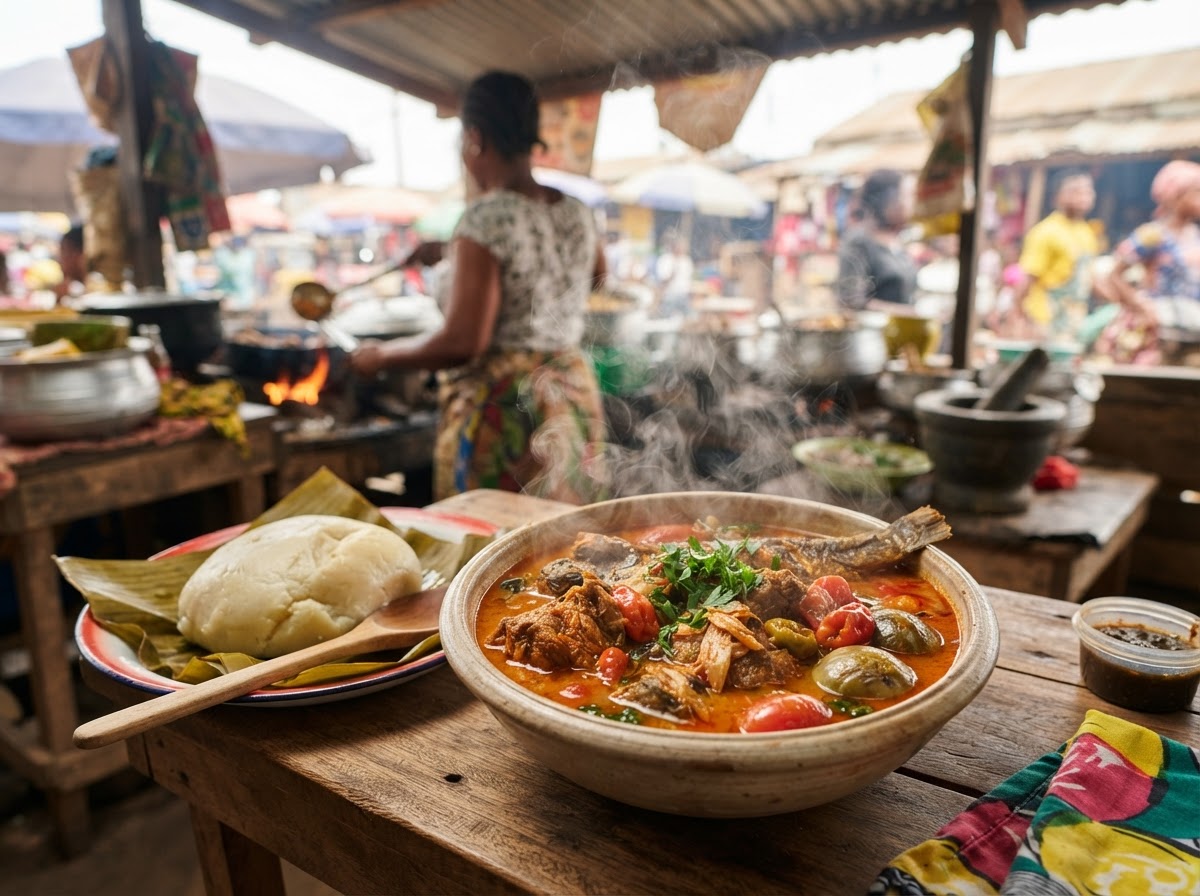
- Use a smaller portion as your base and increase the size of your stew or soup. A palm-sized ball of banku with a generous bowl of okra stew is nutritionally far superior to a massive banku with a modest topping.
- Pair it with protein-rich accompaniments — grilled tilapia, steamed crab, or smoked herrings rather than deep-fried alternatives.
- Go easy on the palm oil in your accompanying stew. Two tablespoons of good-quality, unrefined red palm oil provides enough flavour and nutrition without tipping into excess.
- Integrate more vegetables into your pepper sauce. Blending fresh tomatoes, garden eggs (African eggplant), and green pepper into your banku sauce boosts fibre and micronutrients considerably.
"The goal isn't to make banku taste like something else. It's to eat it with the respect it deserves — in balance, with good company on the plate."
Jollof Rice, Reimagined for the Health-Conscious Palate
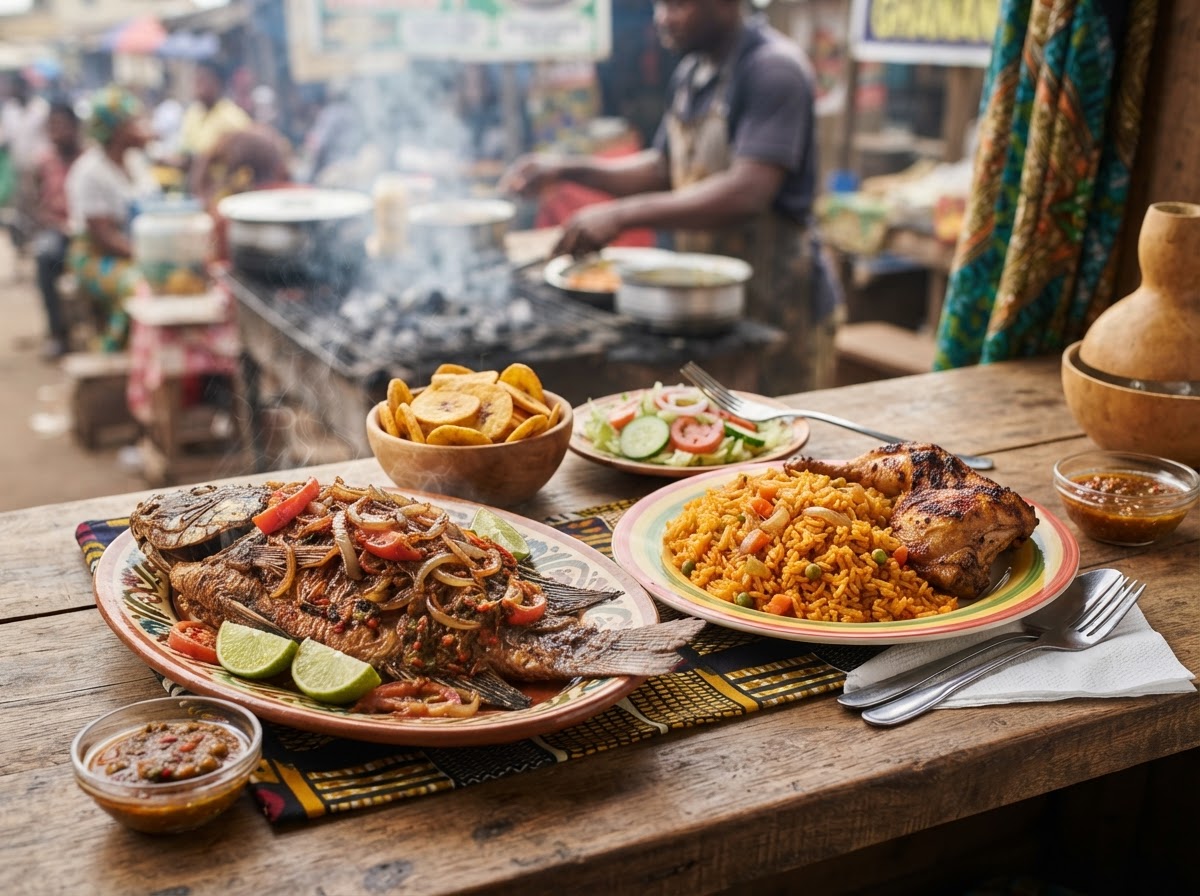
Let's be honest: few conversations about healthy Ghanaian food generate more debate than the one about jollof. Ghana's jollof — smoky, tomato-forward, deeply fragrant with a slightly charred bottom — is a national treasure. And it can absolutely be part of a healthy diet.
The Calorie Culprits in Classic Jollof
The main nutritional concerns with traditional jollof rice are threefold: refined white rice with a high glycaemic index, excessive vegetable oil in the base, and the use of heavily salted or MSG-laden seasoning cubes. Address these three, and you've transformed the dish without sacrificing its soul.
Smart Swaps for Better Jollof
- Swap half your white rice for parboiled or brown rice. Brown rice brings more fibre and a lower glycaemic response. Going full brown rice will change the texture significantly, so starting with a 50/50 blend is a great compromise.
- Use less oil and let the tomatoes do the work. A rich tomato-and-pepper base, properly stewed down, carries incredible flavour. You don't need half a cup of oil to achieve depth — two to three tablespoons is enough for a pot serving four.
- Replace seasoning cubes with whole spices and fresh aromatics. Bay leaves, cloves, a cinnamon stick, fresh ginger, and garlic create complex, layered flavour without the sodium overload of commercial stock cubes. Or at the very least, use low-sodium versions.
- Load the pot with vegetables. Carrots, green peas, green beans, and bell peppers cooked into your jollof increase fibre and turn a side starch into a near-complete meal.
- Watch your portions and balance the plate. A cup of jollof paired with a green salad and grilled chicken is a genuinely healthy meal by any nutritional standard.
Waakye: The Breakfast Champion You Shouldn't Sleep On
Waakye — the magnificent marriage of rice and beans cooked together with dried sorghum leaves (which give it that distinctive reddish-brown hue) — is one of Ghana's most nutritionally complete everyday dishes. The combination of rice and beans creates a near-complete protein, making it especially valuable for vegetarians and those reducing their meat intake.
Why Waakye Is Already Ahead of the Game
Black-eyed peas and cowpeas are among the most fibre-rich legumes in the Ghanaian diet. Fibre supports digestive health, helps regulate cholesterol, and promotes satiety — meaning you feel full for longer after a plate of waakye than you would after the same amount of plain rice. The sorghum leaves used in cooking aren't just aesthetic; they contain polyphenols with antioxidant properties. This is genuinely healthy Ghanaian food in its most democratic form — affordable, accessible, and deeply nourishing.
How to Elevate Waakye Nutritionally
- Mind the toppings. Traditional waakye accompaniments can be a nutritional minefield — fried plantain, spaghetti, fried fish, and egg all at once is a lot. Choose two or three toppings rather than the full spread, and prioritize protein and vegetables.
- Go easy on the stew. Waakye stew is often made with a heavy hand on the oil. Ask for less stew when buying from street vendors, or make your own with a leaner tomato base.
- Add a green element. A side of fresh cucumber, sliced avocado, or cooked kontomire brings balance to an otherwise starch-dominant plate.
- Celebrate the shito — in moderation. Shito (black pepper sauce) is actually a nutritional powerhouse in small quantities, packed with chili, ginger, fish, and antioxidants. One or two teaspoons is the sweet spot.
Palm Oil, Groundnut Oil, and the Fat Question
No conversation about healthy Ghanaian food is complete without addressing fat — specifically, the oils that define so much of our cooking. Palm oil, groundnut oil, and coconut oil are the triumvirate of Ghanaian cooking fats, and each deserves a more nuanced conversation than they typically get.
Red palm oil, when unrefined and used in moderation, is one of the most nutrient-dense cooking oils in the world. It's rich in vitamin E (particularly tocotrienols), beta-carotene (a precursor to vitamin A), and CoQ10. The problem isn't the oil; it's the volume. Palmnut soup made with the whole fruit and eaten with brown rice is a very different nutritional proposition than deep-frying everything in refined palm olein.
Groundnut oil is a staple across Northern Ghana and a favourite for frying and stewing alike. It has a high smoke point, which makes it good for cooking, and it contains unsaturated fats. Again, moderation is the operative word.
The bottom line on fats: don't eliminate them — Ghanaian cuisine would be unrecognisable without them — but be intentional. Cook with two to three tablespoons where a recipe might traditionally call for half a cup. Your cardiovascular system will thank you, and your food will still taste like Ghana.
Editor's Recommendations: Where to Find Thoughtfully Prepared Ghanaian Food
One of the beautiful developments in Ghana's restaurant scene is the growing number of establishments that take their ingredients and preparation seriously. Whether you're traveling through Winneba, exploring the Upper West Region, or passing through Techiman, these Khora-listed restaurants are worth your attention for their commitment to quality Ghanaian and broader West African cooking.
For the Full Ghanaian Experience
Fufu Guy Guy in Eastern Ghana has earned a perfect 5.0 rating and a devoted following for its approach to Ghanaian and West African cooking that includes vegetarian options — a rarity that signals genuine attention to diverse dietary needs. Their menu's vegetarian category suggests a kitchen that thinks carefully about ingredients and balance.
Abe Ase Food Joint in Techiman brings hearty Ghanaian and West African cooking with a wide-ranging menu that includes seafood — always a strong indicator of a kitchen comfortable with lighter, protein-forward preparations.
For Grilled and Seafood Options
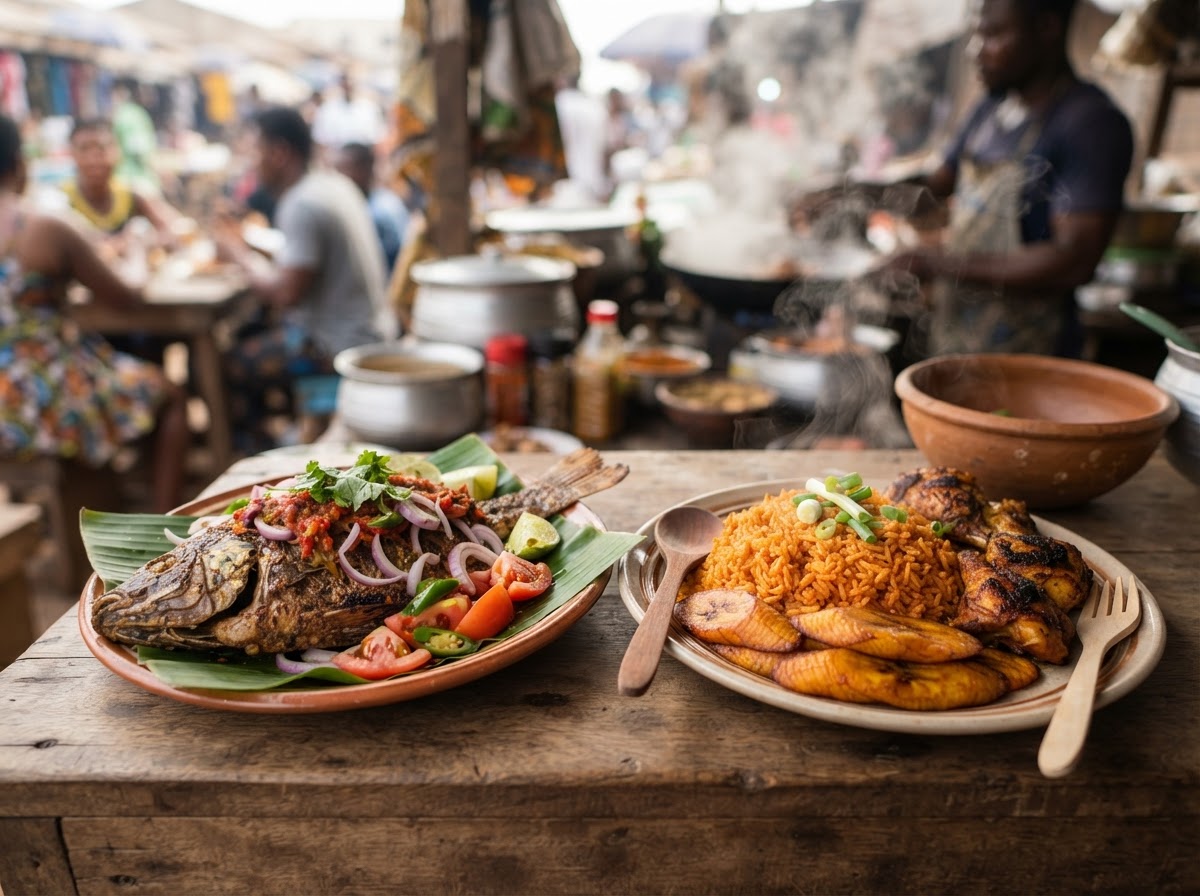
If you're in Winneba, Ambassador Restaurant and DAANGA both carry perfect ratings and offer grilled and seafood preparations alongside their Ghanaian staples. Grilled fish over fried fish is always the smarter nutritional choice, and having that option on the menu matters.
ALKIDOOR RESTAURANT in Yendi and Pantry Restaurant in Wa similarly offer Ghanaian cooking alongside grilled and seafood menus — making it easier to eat with intention when you're away from your own kitchen.
For Balanced, Well-Rounded Menus
MaxBite in Winneba rounds out this list with its international breadth and consistent five-star rating. A restaurant comfortable across Ghanaian, Italian, and continental cuisines is likely a kitchen with range and skill — and range in a kitchen often translates to flexibility in preparation.
Practical Tips for the Health-Conscious Ghanaian Eater
Beyond individual dishes, building a healthy relationship with Ghanaian food is about habits and mindset as much as recipes. Here are some principles worth carrying with you:
- Embrace soup culture. Ghanaian soups — light soup, palmnut soup, groundnut soup — are inherently portion-controlled vehicles for protein and vegetables. The soup-and-small-fufu combination, eaten mindfully, is one of the most balanced meals in our culinary tradition.
- Eat seasonally and locally. Fresh produce at Ghanaian markets is some of the most nutrient-dense food on the planet, precisely because it hasn't traveled weeks in refrigerated containers. Prioritize fresh over packaged wherever possible.
- Reconnect with traditional vegetables. Ayoyo, garden eggs, baobab leaves, and garden pepper are extraordinary nutritional ingredients that have been overshadowed by imported vegetables in urban Ghanaian cooking. Bringing them back to your table is both a health decision and a cultural one.
- Slow down and eat with others. This one isn't about macronutrients — it's about the deeply Ghanaian understanding that food is communal. Eating mindfully, in good company, naturally supports better digestion, portion awareness, and overall wellbeing.
- Drink more water with your meals and less sweet fizzy drinks. The habitual pairing of sugary beverages with Ghanaian food is a relatively recent phenomenon and an easy place to make a meaningful change.
Bottom Line
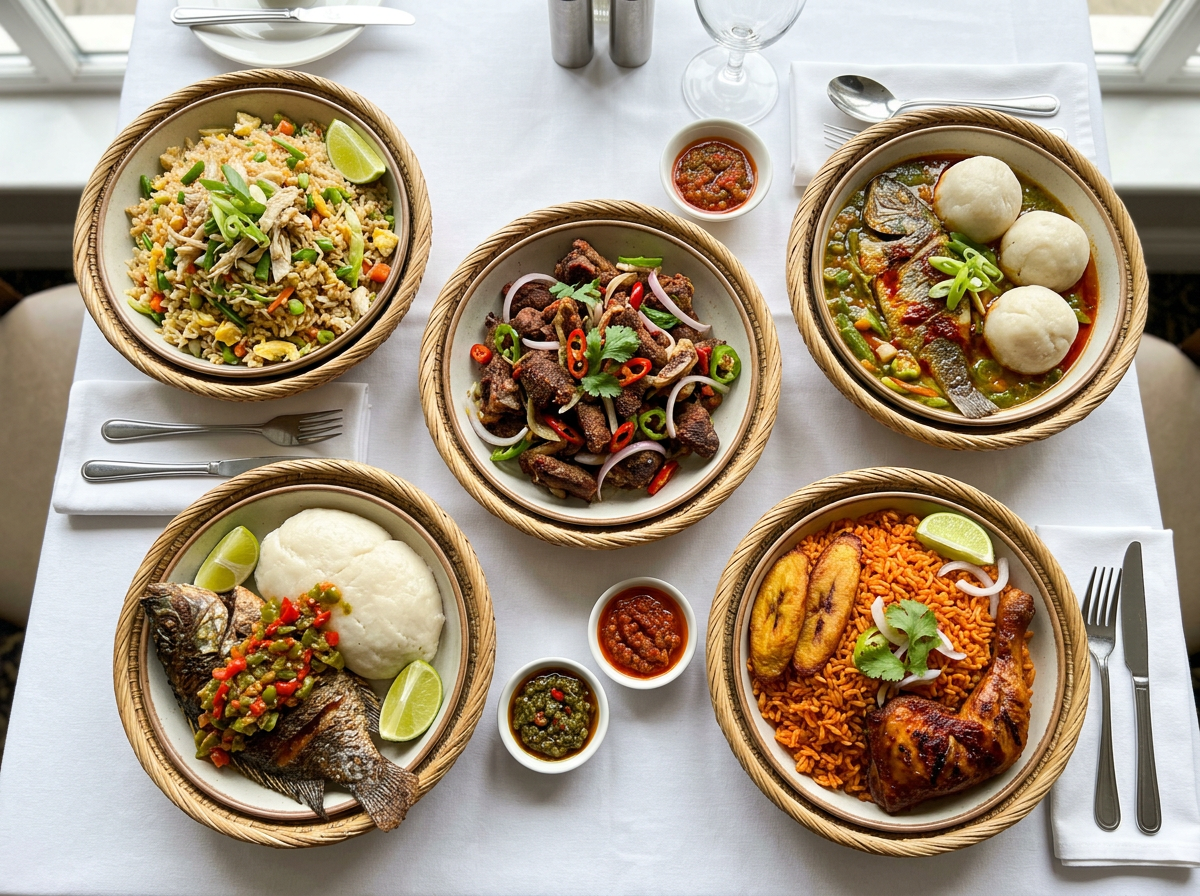
The pursuit of healthy Ghanaian food doesn't require abandoning everything that makes our cuisine extraordinary. It requires something simpler and more interesting: a return to the principles that made Ghanaian cooking great in the first place. Less processed, more fresh. More vegetables, more balance. Thoughtful amounts of good fats rather than excessive amounts of refined ones. Smaller portions of starch, larger portions of life-giving stews and soups.
Banku is still banku when it's eaten in balance. Jollof is still jollof when you halve the oil and double the tomatoes. Waakye is still one of Ghana's greatest culinary gifts when you eat it with intention. The flavours that define us — smoky, fermented, spiced, rich — are not in conflict with good health. They never were.
What the modern Ghanaian health-conscious eater is really doing is not reinventing the wheel. They're simply remembering how the wheel was originally built — and choosing to honour it. Explore the restaurants on Khora, cook with curiosity at home, and eat Ghana's food the way it was always meant to be eaten: with pride, with pleasure, and with care.
Ready to explore?
Search and discover the restaurants mentioned in this guide on Khora.
Find Restaurants