A Guide to Ghanaian Street Food Etiquette for Tourists (2026)
Ghanaian street food is one of the great culinary traditions of West Africa. Here's a complete etiquette guide for tourists — the rules, the dishes, and where to find the best.
Why Street Food Is the Best Way to Experience Ghana
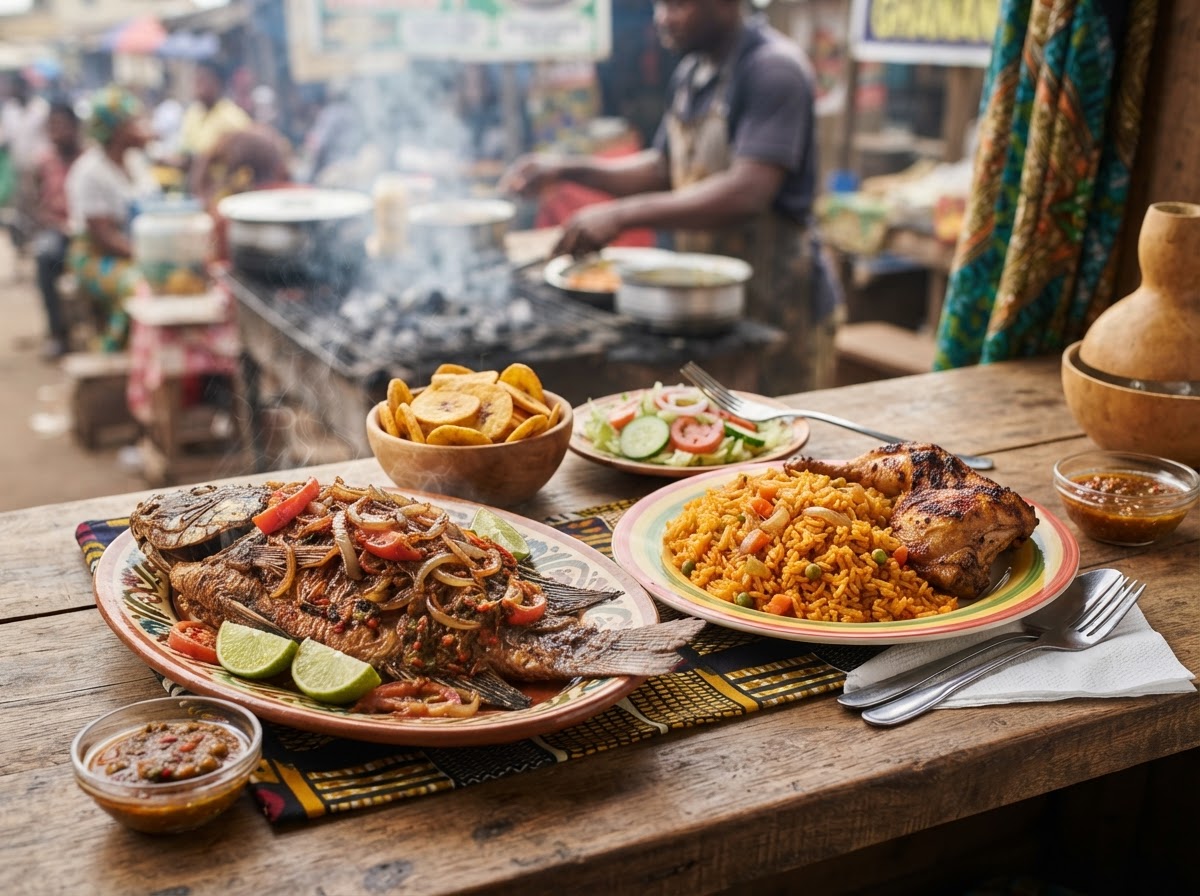
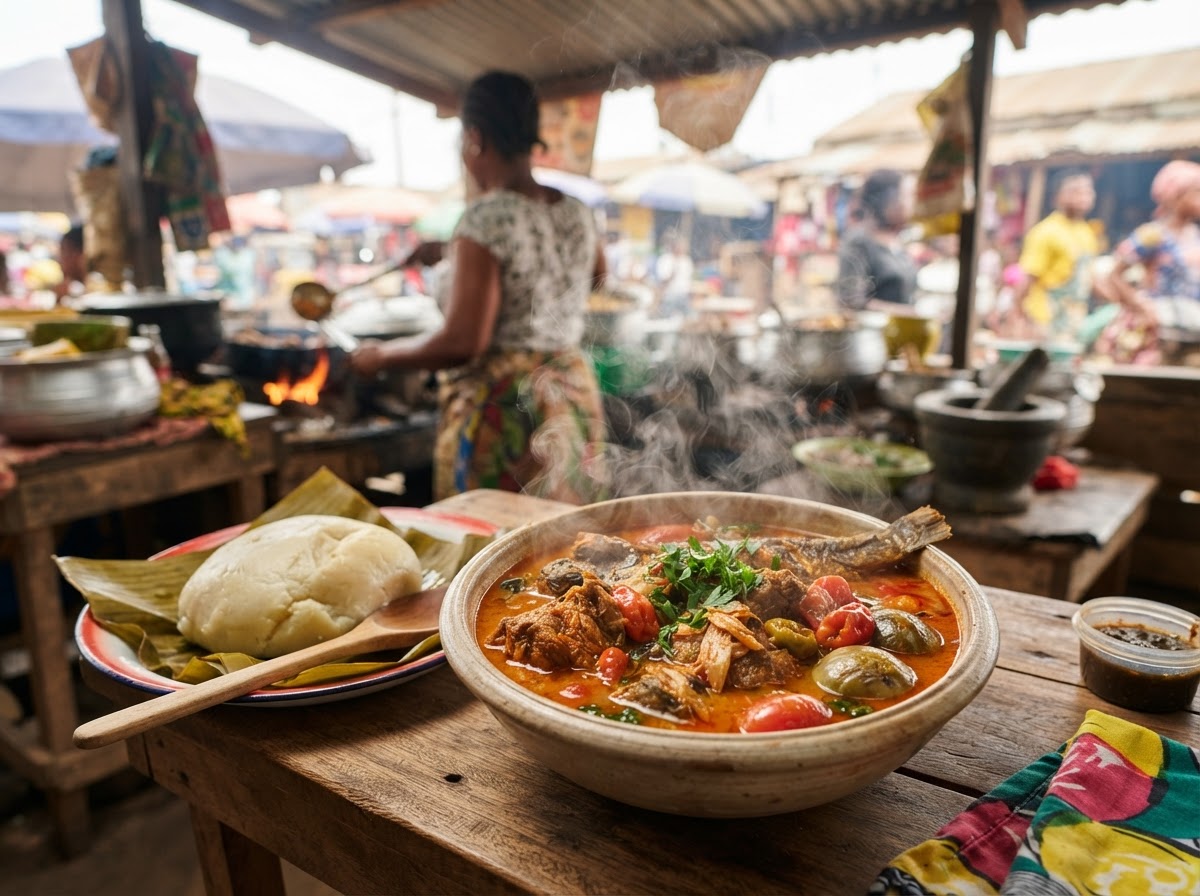
If you're a tourist visiting Ghana for the first time, the street food is the experience you shouldn't miss. Ghanaian street food — kelewele, kebab, fried plantain, bofrot, waakye, jollof rice, grilled tilapia, and more — is one of the great culinary traditions of West Africa, and eating it from a street-side spot, a chop bar, or a night market is the most authentic way to experience the country's food culture. But for many tourists, the idea of eating from a street-side spot can be intimidating — the hygiene, the unfamiliar food, the language, the etiquette. This guide will walk you through everything you need to know to eat Ghanaian street food like a local, with confidence and enjoyment.
The Rules of Ghanaian Street Food Etiquette
1. Eat where the locals eat. The best street food spots in Ghana are the ones with a line of local customers. If you see a spot with a crowd, it means the food is fresh, the turnover is high, and the quality is trusted. If you see an empty spot, walk on — no customers means no turnover, and no turnover means food that's been sitting.
2. Watch the cooking. The best street food spots in Ghana cook to order, in full view of the customer. If you can see the grill, the fryer, or the pot, it means the food is fresh and the cooking is transparent. If the cooking is hidden, it's harder to judge the quality.
3. Wash your hands. Ghanaian street food is eaten with the right hand (the left hand is considered unclean in Ghanaian tradition), and you'll need to wash your hands before and after eating. Most street food spots provide a bowl of water and soap for handwashing. If they don't, use your own hand sanitizer or wet wipes.
4. Ask for the food to be "hot" or "mild." Ghanaian pepper sauces can be genuinely fiery, and most spots will accommodate a request for less heat. If you're not sure, ask for the pepper sauce "mild" — you can always add more, but you can't take it away.
5. Pay with cash or mobile money. Most street food spots in Ghana accept cash (Ghanaian cedis) or mobile money (MTN Mobile Money, Vodafone Cash, or AirtelTigo Money). Few accept credit cards. Always carry small bills — change can be hard to find.
6. Don't be afraid to ask questions. Ghanaians are proud of their food, and the vendors are happy to explain. Ask what's in a dish, ask how it's made, ask what's popular. The vendors will appreciate your interest, and you'll eat better for it.
The Dishes You Should Try
Here are the Ghanaian street food dishes you should try, with a brief description of each:
Kelewele: Ripe plantain, cut into cubes, tossed in ginger and pepper, and deep-fried until golden and crisp. It's sweet, spicy, salty, and savory — the perfect street snack. Read our guide to the best kelewele in Kumasi.
Kebab (or chichinga): Skewered, grilled meat — beef, chicken, or goat — seasoned with a blend of spices and grilled over open flame. It's smoky, well-seasoned, and generous.
Fried plantain: Ripe plantain, sliced and fried until caramelized. It's sweet, soft, and golden — the simplest and best street snack.
Bofrot (or puff puff): Fried dough, puffy and golden, slightly sweet. It's a breakfast and snack staple, perfect with tea or porridge.
Waakye: Rice and beans cooked together with sorghum leaves, served with stew, shito, gari, spaghetti, and eggs. It's a full meal in a single plate. Read our guide to waakye vs jollof.
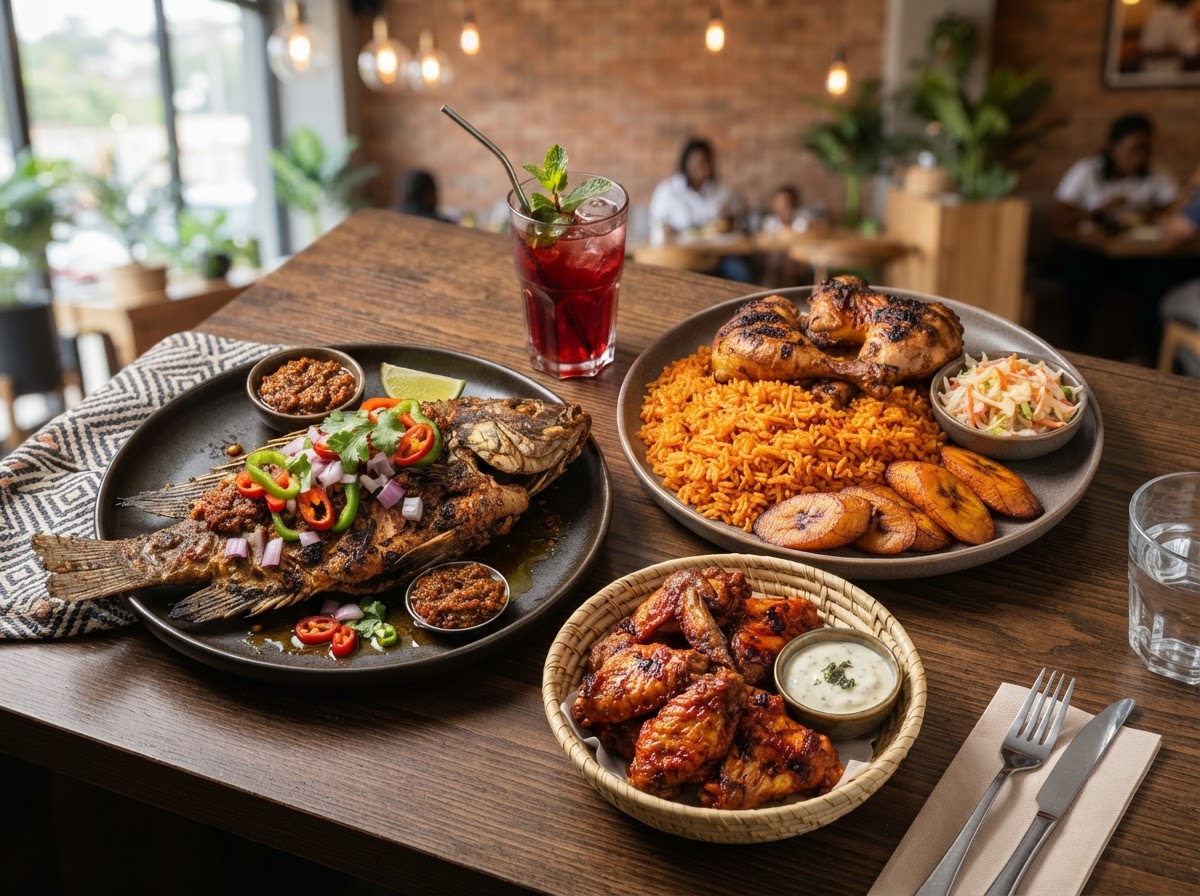
Jollof rice: Rice cooked in a rich tomato and pepper sauce, served with grilled chicken and fried plantain. It's the celebration dish of Ghanaian cooking.
Grilled tilapia: Fresh tilapia, grilled whole over open flame, served with pepper sauce and fried plantain. It's the grill culture's centerpiece. Read our guide to the best grilled tilapia in Accra.
Fufu: A starchy swallow made from pounded cassava, plantain, or cocoyam, served with a soup. It's the most traditional dish in Ghana. Read our beginner's guide to fufu.
Where to Find the Best Street Food in Ghana
Here are some of the best street food spots in Ghana, as reviewed by the Khora community:
- Accra — Osu: Check Check City Restaurant (22 reviews, 5.0 ★), 10:10 Joint (17 reviews, 5.0 ★)
- Accra — Dansoman: Foodmuse Kitchen (25 reviews, 5.0 ★), Chef Paa's Kitchen (4 reviews, 5.0 ★)
- Kumasi — Santasi: Smokeys Eatery (8 reviews, 5.0 ★)
- Kumasi — Asafo: Gesundes Kitchen (6 reviews, 5.0 ★)
Each of these restaurants has earned perfect five-star ratings from the Khora community. Click through to each profile for full menus, photos, community reviews, directions, and reservation options.
Health and Safety Tips
Ghanaian street food is generally safe — the high turnover, the cooking to order, and the heat of the grill all contribute to food safety. But as a tourist, a few precautions can help you eat with confidence. First, choose spots that are busy — high turnover means fresh food. Second, eat food that's cooked to order — the heat of the grill or fryer kills most pathogens. Third, avoid raw foods that have been sitting in the heat — salads, cut fruit, and dairy products can be risky. Fourth, drink bottled water — tap water is not recommended for tourists.
Most importantly, don't let fear stop you from experiencing Ghanaian street food. The dishes are one of the great culinary traditions of West Africa, and eating them from a street-side spot is the most authentic way to experience Ghana's food culture. The vendors are proud of their food, the customers are welcoming, and the flavors are unforgettable. Eat where the locals eat, watch the cooking, wash your hands, and enjoy — that's the Ghanaian street food etiquette, and it's the key to a great experience.
Ready to Explore Ghanaian Street Food?
Ghanaian street food is available across the country, all reviewed and mapped on Khora. Browse restaurants in Greater Accra or browse restaurants in Kumasi to find street food spots near you. Whether you're a tourist or a local, the street food is the experience you shouldn't miss — and now you know the etiquette.
Ready to explore?
Search and discover the restaurants mentioned in this guide on Khora.
Find Restaurants